Buying formwork gear is one of those decisions that feels simple. Until it isn’t. One wrong call and suddenly there’s wasted time on site, patchy compliance paperwork, and a stack of hire invoices that never seems to end.
This guide looks at Formply specifically for Australian sites. What it is, what to check before ordering, what grades and thicknesses actually mean, and how to avoid the common stuff ups that show up halfway through a pour.
What is Formply and why do Australian sites use it so much?
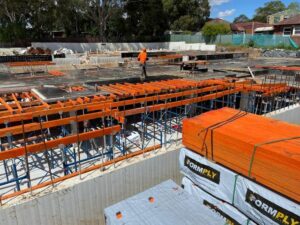
Formply Australia is a plywood sheet made for concrete formwork, designed to handle wet pours and repeated use. Australian sites use it because it’s relatively strong for its weight, quick to set out, and easier to cut and move than many alternatives.
It also suits the way many crews work here. Fast strip times, tight programmes, and jobs where reusable sheets make more sense than disposable linings.
How do they choose the right Formply thickness for a slab or wall pour?
They choose Formply thickness based on load, stud spacing, and the finish they need, not just habit or what the supplier has in stock. If the frame is widely spaced, they typically need a thicker sheet. If the support is tight and consistent, thinner can work.
For walls, pressure can climb quickly with height and pour rate. For slabs, point loads from workers and bar chairs matter too.
What do the Australian stamps and markings on Formply actually mean?
Most Formply sold for structural formwork in Australia will carry markings that point to its intended use and standard. Buyers should read the stamp, then confirm the spec sheet, since brands vary.
They are usually looking for signs the product aligns with Australian expectations for formwork use, including bond quality and durability. If it’s unmarked, that’s a warning sign. On real sites, unverified sheets cause arguments at the worst time.
Should they buy F-grade or A-grade Formply for typical Australian projects?
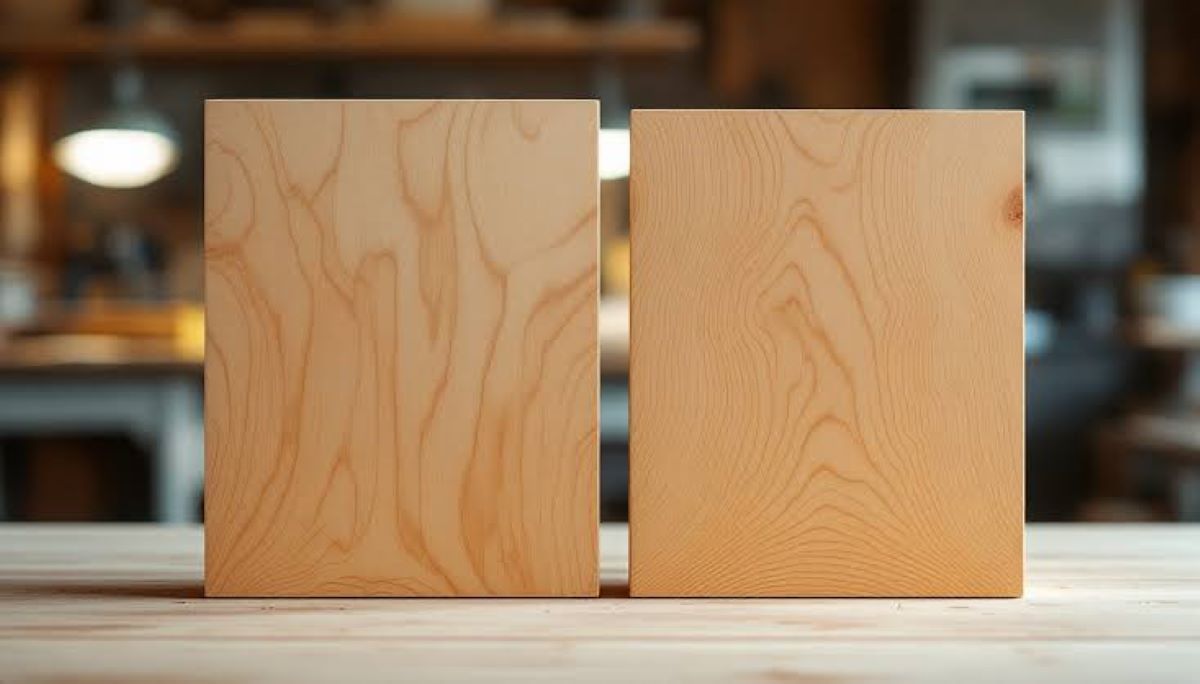
They should match the grade to the finish requirement and the number of reuses expected. F-grade is common for general formwork where the concrete face will be rendered, painted, or otherwise covered. Higher face grades suit exposed architectural concrete.
In Australia, it’s also about the reality of handling. If sheets are going to get knocked about, a premium face can be money wasted unless the crew protects edges and stores it properly.
See Also : What Trades Should Know About Formwork Plywood
How can they estimate how many reuses they will get from Formply?
They can estimate reuses by looking at edge sealing, face durability, and how strict their strip and clean process is. Formply lasts longer when they seal cut edges, avoid gouging the face, and use release agents correctly.
On many Australian sites, the limiting factor is not the sheet itself. It’s damage from forklifts, poor stacking in the rain, and rough stripping with crowbars. A buyer should price for realistic behaviour, not best case handling.
What should they check about moisture resistance and edge sealing?
They should check whether the edges are factory sealed, and whether the coating is consistent with formwork use. Formply is made to handle wet concrete, but cut edges are the weak point if they are left raw.
A buyer should plan to re-seal any site cuts immediately. This matters in coastal areas like Newcastle, Wollongong, and the Gold Coast, where humidity and rain cycles can punish exposed ply edges fast.
Is Formply suitable for exposed concrete finishes on Australian builds?
Yes, Formply can be suitable for exposed finishes, but only if they control the whole process. That means clean sheets, consistent release agent, tight joints, and careful vibration.
They also need to accept that formply can show panel joints and tie hole patterns clearly. If the project is high-end, they may need a higher face grade, new sheets for the final lift, or a different liner system altogether.
How do they compare buying Formply versus hiring formwork systems?
They compare it by looking at job duration, labour skill, and how repetitive the pour cycles are. Buying Formply often makes sense when the crew is building traditional timber formwork, or when they need flexible layouts and quick modifications.
Hiring can win on big metro jobs in Sydney, Melbourne, or Brisbane where engineered systems reduce labour and increase speed. But hire costs add up if the programme slips, so buyers should do a schedule stress test, not just a straight weekly rate comparison.
What sizes and sheet formats are most practical for Australian site handling?
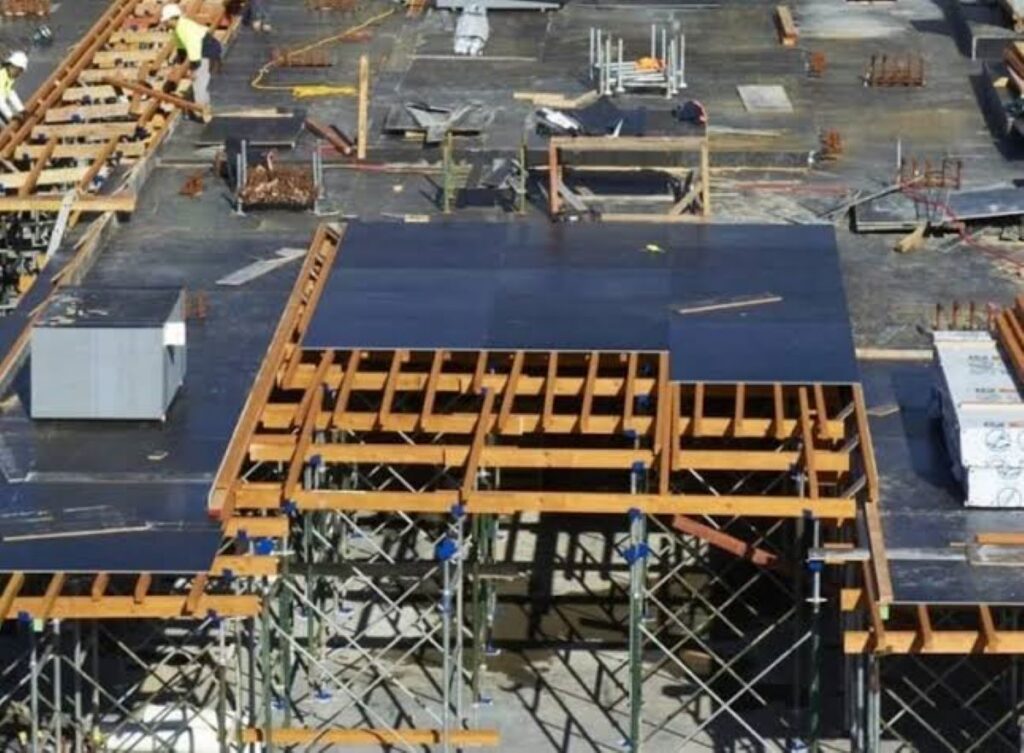
They should pick sizes their crew can move safely and cut efficiently. Full sheets can reduce joints, but they are harder to handle in tight sites and windier conditions.
Australian residential and mid-size commercial sites often standardise sheet sizes to suit ute transport, small forklifts, and limited laydown areas. The best format is the one that reduces handling time, not the one that looks best on a supplier price list.
What are the common buying mistakes with Formply in Australia?
They usually fall into a few patterns. First, buying on price alone, then losing money through early failure and extra labour. Second, ignoring edge sealing and storage, which kills sheets quickly. Third, ordering the wrong thickness and trying to fix it with extra props later.
Another classic mistake is mixing sheet types mid-job. If they swap to a different brand or face finish, the concrete appearance can change across a single wall line, and it’s obvious. Check out more about Concrete slab floors.
How should they store and transport Formply on Australian sites?
They should keep it flat, off the ground, and protected from rain. Formply stored on uneven bearers will warp, and warped sheets create slow set outs and ugly finish issues.
Transport should avoid edge impacts. On many sites, damage happens in the first week from careless forklift handling. If they want reuses, they need a basic rule. No dragging sheets across concrete, and no dropping bundles onto corners.
What should they ask suppliers before ordering Formply in Australia?
They should ask for the spec sheet, face type, thickness tolerance, and details on edge sealing. They should also ask how consistent the supply batch is, especially if the job needs a uniform finish over multiple stages.
Delivery timing matters too. If a pour is locked in for Friday in Perth or Adelaide, late sheets can force a reschedule. A buyer should confirm stock location and lead time, not just accept a quote.
How does Formply fit into Australian safety and compliance expectations?
It fits well when they use it within a formwork design that considers loads, bracing, and inspection. Formply is only one part of the system, so compliance comes from the whole setup, not the sheet alone.
Australian sites typically need clear processes around formwork checks, pour approvals, and competent supervision. Buyers should assume the sheet choice will be questioned if anything looks under braced or if there is visible deflection.
What does a sensible Formply buying checklist look like for Australian sites?
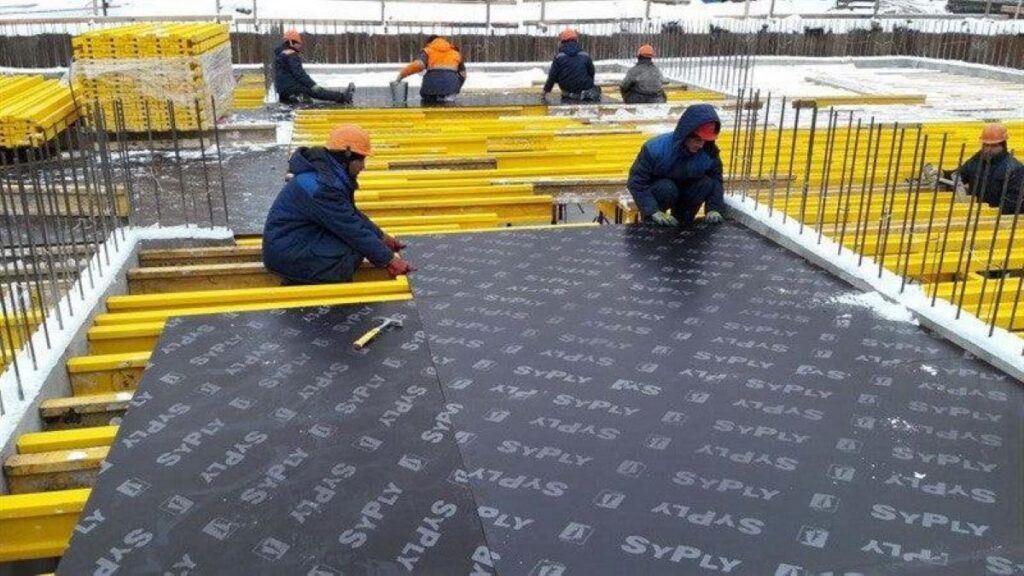
They should keep it simple and practical. The buyer should confirm purpose, finish, reuse target, and storage plan before they click order.
Here’s a clean checklist they can use:
- Confirm thickness based on spacing and pour loads
- Check sheet markings and request spec sheets
- Choose grade based on finish requirements
- Ensure edges are sealed, and plan to re seal cuts
- Confirm consistent supply for the full project
- Plan storage, handling rules, and release agent use
- Allow for waste, damage, and realistic reuse rates
If they do that, Formply becomes predictable. Which is the whole point. On Australian sites, predictability is worth more than a slightly cheaper sheet.
FAQs (Frequently Asked Questions)
What is Formply and why is it widely used on Australian construction sites?
Formply is a plywood sheet specifically designed for concrete formwork, capable of handling wet pours and repeated use. Australian sites favour it because it offers a good strength-to-weight ratio, allows quick setup, and is easier to cut and move compared to many alternatives. It suits the fast-paced working style common in Australia, where reusable sheets are preferred over disposable linings for efficiency and cost-effectiveness.
How do I choose the right Formply thickness for slab or wall pours on Australian sites?
Selecting the correct Formply thickness depends on factors such as load requirements, stud spacing, and desired concrete finish rather than just supplier availability or habit. Wider stud spacing typically requires thicker sheets to support the load, while tightly spaced supports can allow thinner sheets. For walls, consider increased pressure with height and pour rate; for slabs, account for point loads from workers and bar chairs.
What do the Australian stamps and markings on Formply indicate?
Australian stamps on Formply sheets signify compliance with structural formwork standards relevant to local use. They usually indicate bond quality, durability, and suitability for formwork applications. Buyers should always read these stamps and verify them against product specification sheets since branding varies. Unmarked sheets are a warning sign and can lead to disputes on site due to unverified quality.
Should I buy F-grade or A-grade Formply for typical projects in Australia?
The choice between F-grade and A-grade Formply depends on the required concrete finish and expected number of reuses. F-grade is commonly used for general formwork where the concrete face will be covered or rendered, while A-grade suits exposed architectural finishes requiring a premium surface. Consider handling realities; if sheets are likely to be damaged during use, investing in higher grades may not be cost-effective unless proper protection is ensured.
How can I estimate how many times I can reuse Formply sheets on my site?
Reuse estimates depend on factors like edge sealing quality, face durability, and strictness of strip-and-clean procedures. Properly sealed cut edges, careful avoidance of gouging faces, and correct use of release agents extend sheet life. However, damage from forklifts, poor stacking in wet conditions, and rough stripping often limit reuse more than material quality. Budget realistically based on actual site handling practices rather than ideal scenarios.
What should I check regarding moisture resistance and edge sealing when purchasing Formply in Australia?
Ensure that cut edges are factory sealed or plan to reseal them immediately after site cutting since raw edges are vulnerable to moisture ingress. The coating should be consistent with formwork use to withstand wet concrete pours effectively. This is especially important in humid or coastal regions like Newcastle, Wollongong, or the Gold Coast where exposure to rain cycles can rapidly degrade unprotected ply edges.