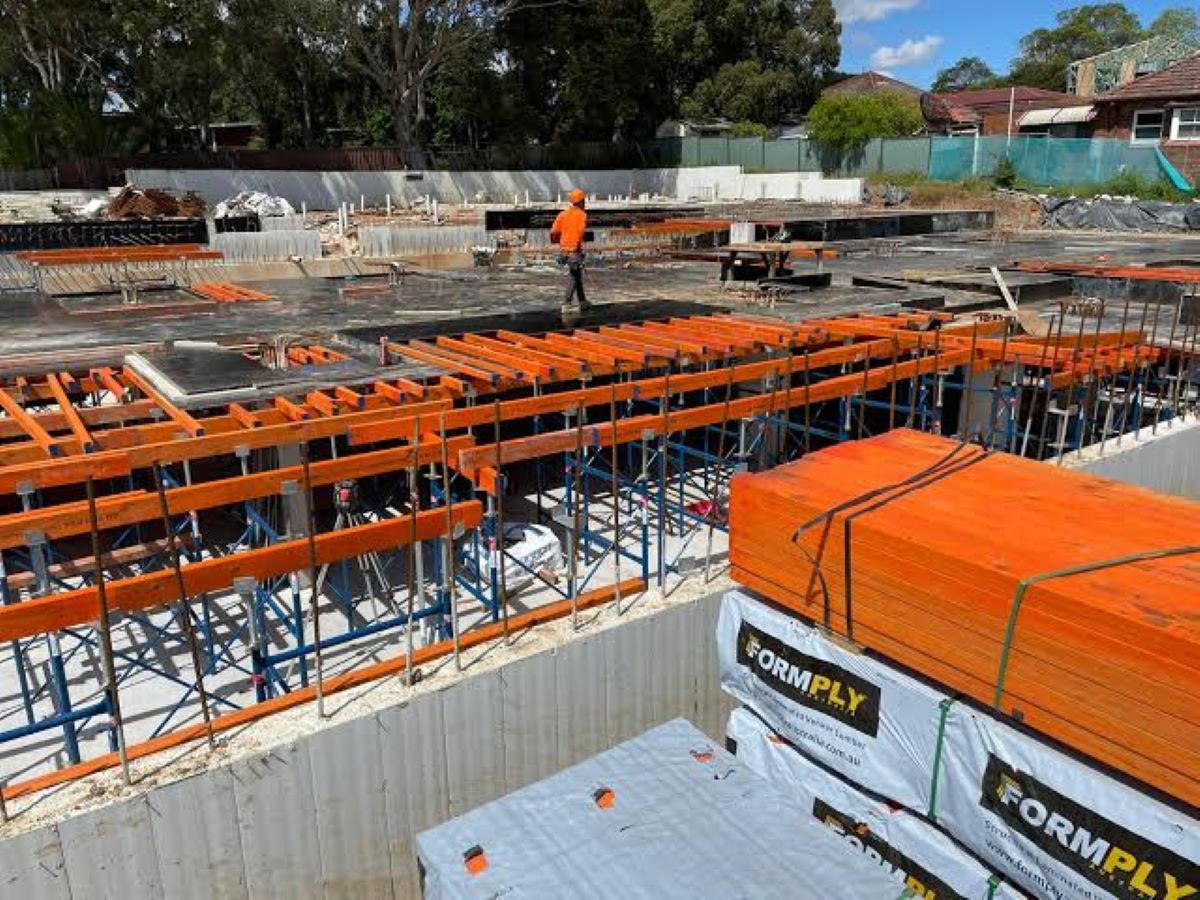
On Australian sites, concrete moves quickly and mistakes get expensive. So trades need a basic, practical grip on formwork plywood before they pour anything. It is not just “any sheet that looks tough”. The right panel affects finish, blowouts, strip times, crane time, and even how much patching happens later.
This guide sticks to what matters on site. Simple questions, straight answers, Australian context.
What is formwork plywood, really?
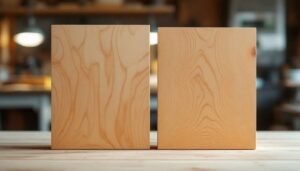
Formwork plywood is a structural plywood made to act as temporary moulds for concrete, usually with a sealed or film face to resist moisture and cement paste. It is built to hold wet concrete pressure, stay flatter for longer, and strip cleanly.
In Australia it is commonly seen on slabs, walls, columns, stair cores, and edge forms. It is not the same thing as interior ply or basic exterior sheathing.
Why do Australian crews prefer film faced sheets?
Film faced sheets are popular because they release better and mark less. They also handle repeated wetting and cleaning more reliably than raw faces.
On projects in Sydney, Brisbane, Perth, and Melbourne, film faced panels often reduce time spent grinding, filling bugholes, and chasing surface blemishes. That time saving is the real value, not just the sheet price.
How many reuses should they expect on a typical job?
They should expect “it depends”, but they can still plan. With decent handling, cleaning, and edge sealing, formwork plywood might deliver multiple pours before the face breaks down.
On smaller residential slabs, reuses can be limited by rough cutting and leaving sheets in the weather. On commercial work, better storage, planned cycling, and proper release agents usually push reuse numbers higher.
What thickness and sheet size are common in Australia?
Most crews reach for 17 mm as a common all-rounder, with 12 mm appearing where spans are tight and bearers are closer. Bigger jobs may specify thicker panels for higher pressure zones.
Standard sheet sizes are typically 2400 x 1200 mm, because they suit Australian frames, labour handling, and transport. Bigger formats exist, but they can be awkward on congested sites.
How does moisture and weather affect performance on site?
Moisture is the slow killer. If sheets sit on wet ground, get rained on, then bake in the sun, they swell, warp, and edges open up.
This is where formwork plywood handling matters as much as brand. Keeping packs off the ground, covering properly, and resealing damaged edges often does more than arguing over the “best” sheet.
What should they check before buying, beyond the price?
They should check the glue bond rating, face condition, core quality, and whether the panel is actually intended for concrete forming. A cheap sheet can still cost more if it blows out, chips, or prints grain.
They should also check supply consistency in their state. In regional NSW or parts of WA, the best sheet on paper is useless if replacements cannot be sourced quickly.
Are there standards or ratings they should look for in Australia?
They should look for structural plywood compliance and clear labelling from reputable suppliers. While site talk often focuses on “formply”, the paperwork matters when a builder, certifier, or engineer asks questions.
If a job has engineered formwork, the specification should drive the choice, not habit. On commercial sites in Australia, documentation is part of staying on the right side of QA. Check out more about Formwork and falsework.
What causes concrete blowouts, and how do sheets play a part?
Blowouts usually come from bad support, under bracing, over spacing of studs, or rushing the pour. But panel condition contributes, especially if faces are delaminating or edges are crushed.
If formwork plywood has soft spots, damaged corners, or swelling at joints, it can create weak points that push fasteners out. Crews should treat panels like formwork gear, not disposable packaging.
How can they get a better concrete finish with less patching?
They should start with cleaner faces, consistent release agent use, and tight joints. Most “ugly finish” problems are basic: dirty sheets, too much oil, wrong oil, or gaps bleeding paste.
Using formwork plywood with an intact film face helps, but so does simple discipline. Clean after stripping, scrape carefully, and do not drag sheets across aggregate like they are sleds.
What is the right way to cut, seal, and fix sheets?
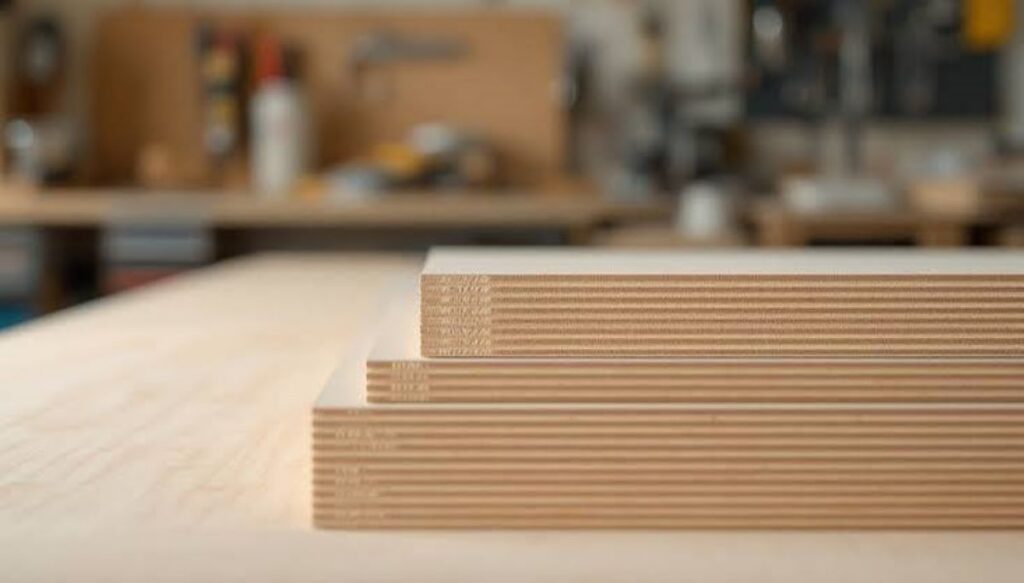
They should cut with sharp blades, minimise tear out, and seal every exposed edge straight away. Edges are where water enters and delamination begins.
Fixing should avoid over nailing or blowing out the face. Screws can be cleaner for repeat use. If crews treat formwork plywood edges like the “weak side”, the panels tend to last longer.
When should they retire a sheet instead of pushing one more pour?
They should retire it when the face is worn through, the sheet is delaminating, or it will clearly print defects into the concrete. Pushing a dead panel can cost more in rectification than a new sheet.
A simple rule works on Australian sites. If they would not want that face as a finished wall in a townhouse in Melbourne or a commercial lobby in Sydney, it is probably time to downgrade it to non-visual work.
See Also : What Goes Wrong When Formply Is Specified Badly
How should they store and handle sheets between pours?
They should store sheets flat, off the ground, and covered but ventilated. Tarping tightly to the pack can trap moisture, so airflow matters.
Handling should avoid fork tines punching corners and labourers dropping panels on edges. Formwork plywood is strongest across its surface, not on a bruised corner.
Can they reuse offcuts, and where do offcuts actually work?
Yes, but offcuts should go where pressure is lower and finish is less critical. Small pieces are handy for box outs, nibs, step downs, and temporary shutters.
They should not build a high wall panel out of random scraps and hope for the best. That is how deflection and paste leakage starts, especially when formwork plywood joins are messy.
What safety and environmental points matter on Australian sites?
They should manage manual handling, because sheets get heavy quickly when wet. Gloves, eye protection during cutting, and decent housekeeping reduce injuries that slow a crew down.
For the environment, they should sort reusability first, then recycling options. Some Australian recycling streams accept timber products depending on coatings. Burning or dumping is not the answer, and many sites now track waste closely.
How do they choose the right sheet for residential vs commercial work?
Residential work often prioritises speed, availability, and decent performance for fewer cycles. Commercial work tends to demand more cycles, better finish control, and consistent supply.
The best approach is matching the sheet to the pour plan. If a crew needs high-quality wall finishes, formwork plywood with a tougher film and better core is usually worth it.
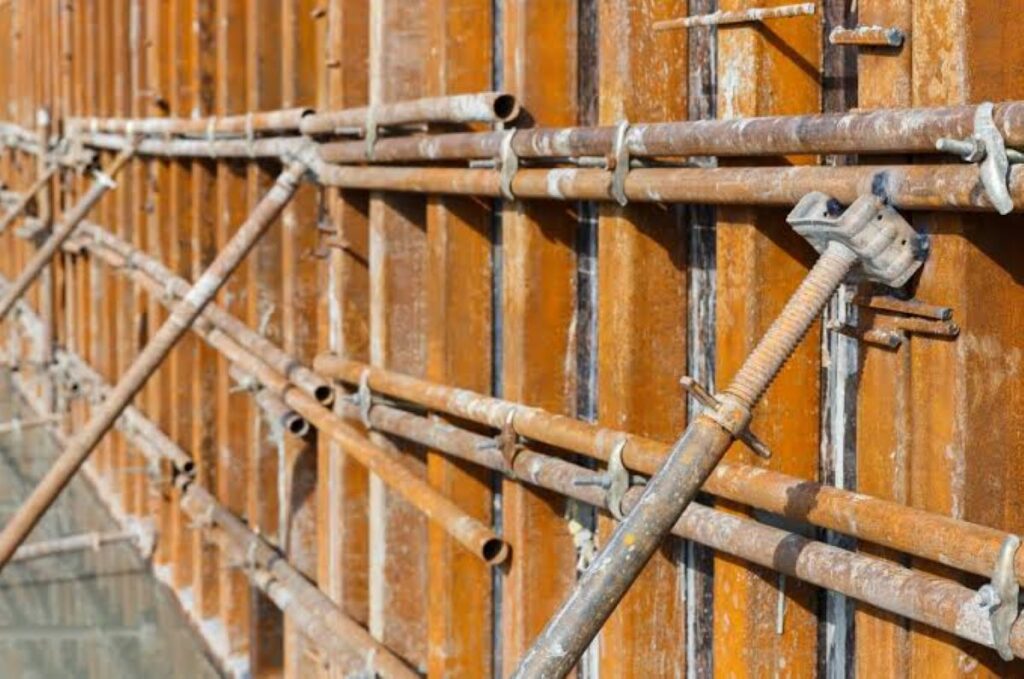
What is the simplest checklist they can use before a pour?
They should check panels are flat, faces are clean, edges are sealed, and joints are tight. They should confirm the framing behind is correct and bracing matches the pour rate.
A basic checklist keeps things boring, and boring is good in formwork. With formwork plywood, the small habits are what stop the big failures.
FAQs (Frequently Asked Questions)
What is formwork plywood and why is it important on Australian construction sites?
Formwork plywood is a structural plywood designed as temporary moulds for concrete, featuring a sealed or film face to resist moisture and cement paste. In Australia, it’s crucial for slabs, walls, columns, and edge forms because it holds wet concrete pressure, stays flat longer, and strips cleanly, directly affecting finish quality and site efficiency.
Why do Australian crews prefer film faced formwork plywood sheets?
Australian crews favour film faced sheets because they release concrete more easily, mark less, and endure repeated wetting and cleaning better than raw faces. This preference reduces time spent grinding, filling bugholes, and fixing surface blemishes on projects across Sydney, Brisbane, Perth, and Melbourne, offering real value beyond just the sheet price.
How many times can formwork plywood be reused on typical Australian jobs?
Reuse depends on handling, cleaning, and edge sealing. With good practices, formwork plywood can be used multiple times before the face deteriorates. Residential projects may see fewer reuses due to rough cutting and weather exposure, while commercial sites with better storage and release agents usually achieve higher reuse counts.
What are the common thicknesses and sheet sizes of formwork plywood used in Australia?
Most Australian crews use 17 mm thick panels as an all-rounder thickness; 12 mm sheets are chosen where spans are tight with closer bearers. Standard sheet sizes are typically 2400 x 1200 mm to suit framing systems, labour handling, and transport logistics. Larger formats exist but can be cumbersome on busy sites.
How should formwork plywood be stored and handled between pours to maintain performance?
Sheets should be stored flat, off the ground, covered yet ventilated to prevent moisture build-up. Tight tarping can trap moisture causing swelling or warping. Handling must avoid damaging edges or corners—fork tines punching corners or dropping panels weakens the plywood since it’s strongest across its surface.
When is it time to retire a formwork plywood sheet instead of pushing for another pour?
Retirement is necessary when the face is worn through, delaminating, or likely to imprint defects onto concrete. Using degraded panels can lead to costly rectifications. A practical rule on Australian sites is if you wouldn’t want that panel’s face visible in a finished townhouse wall or commercial lobby, it’s best downgraded to non-visual work or retired.